
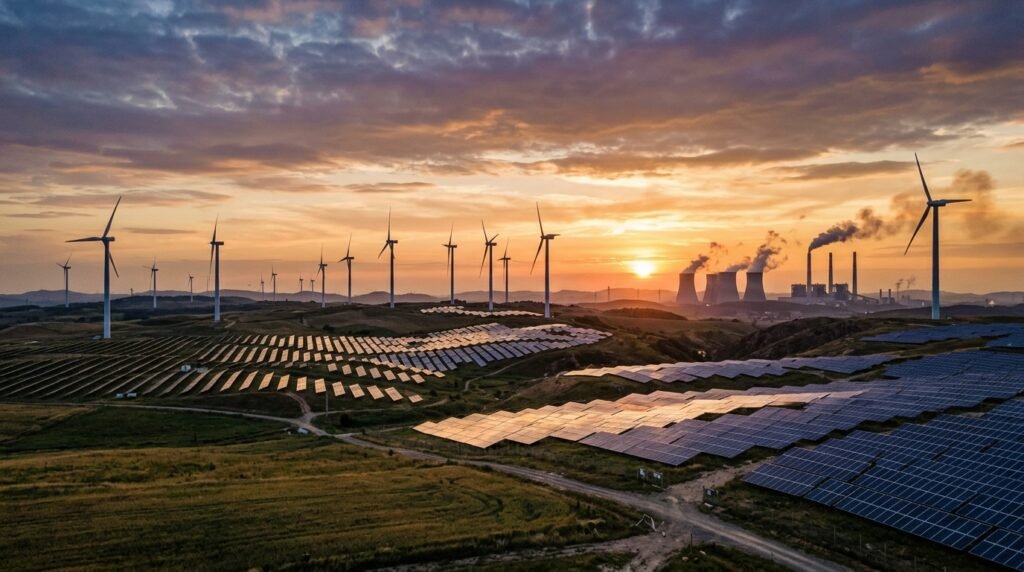
A new report from leading scientists warns that the world could hit the critical 1.5°C climate change threshold as soon as 2029. This alarming prediction comes at a time when climate action has stagnated for five years, largely due to the continued expansion of fossil fuel development. The implications of surpassing this threshold are dire, affecting ecosystems and human societies globally.
Stalled Climate Action and Its Consequences: The past five years have seen a significant slowdown in global efforts to combat climate change. Despite international agreements and commitments, fossil fuel production has surged, undermining progress made in renewable energy adoption. This stagnation raises concerns about the feasibility of meeting climate targets and the potential for irreversible damage to the planet.
Fossil Fuel Development on the Rise: The ongoing investment in fossil fuel infrastructure poses a significant threat to climate stability. As countries continue to prioritize economic growth over environmental concerns, emissions are projected to rise, pushing the planet closer to the 1.5°C threshold. This trend highlights the urgent need for a shift in policy and public awareness to prioritize sustainable practices.
Global Response and Future Actions: In light of these warnings, scientists and environmental advocates are calling for immediate and robust climate action. This includes transitioning to renewable energy sources, enhancing energy efficiency, and implementing stricter regulations on fossil fuel extraction and use. The next few years will be critical in determining the trajectory of global climate efforts.
The Path Forward: As the 2029 deadline approaches, it is essential for governments, businesses, and individuals to take decisive action. By prioritizing sustainability and reducing carbon footprints, there is still a chance to mitigate the worst effects of climate change and protect the planet for future generations.
Kommentit
Ei vielä kommentteja. Kommentoi ensimmäisenä.